Competitors can match a product.
Competitors can match a product.
Your brand is a different kind of challenge.
Our Perspective
Brand Position Over Feature List
Technical differentiation has a shorter shelf life than ever. Competitors can match it within a quarter while at the same time, every category drifts toward the same look and the same pitch. The minimalist template, the gradient on white, the feature checklist, the promise to save time. Buyers land on three sites in a row and can't tell them apart.
We’ve seen the reality of this with the brands we’ve worked on:
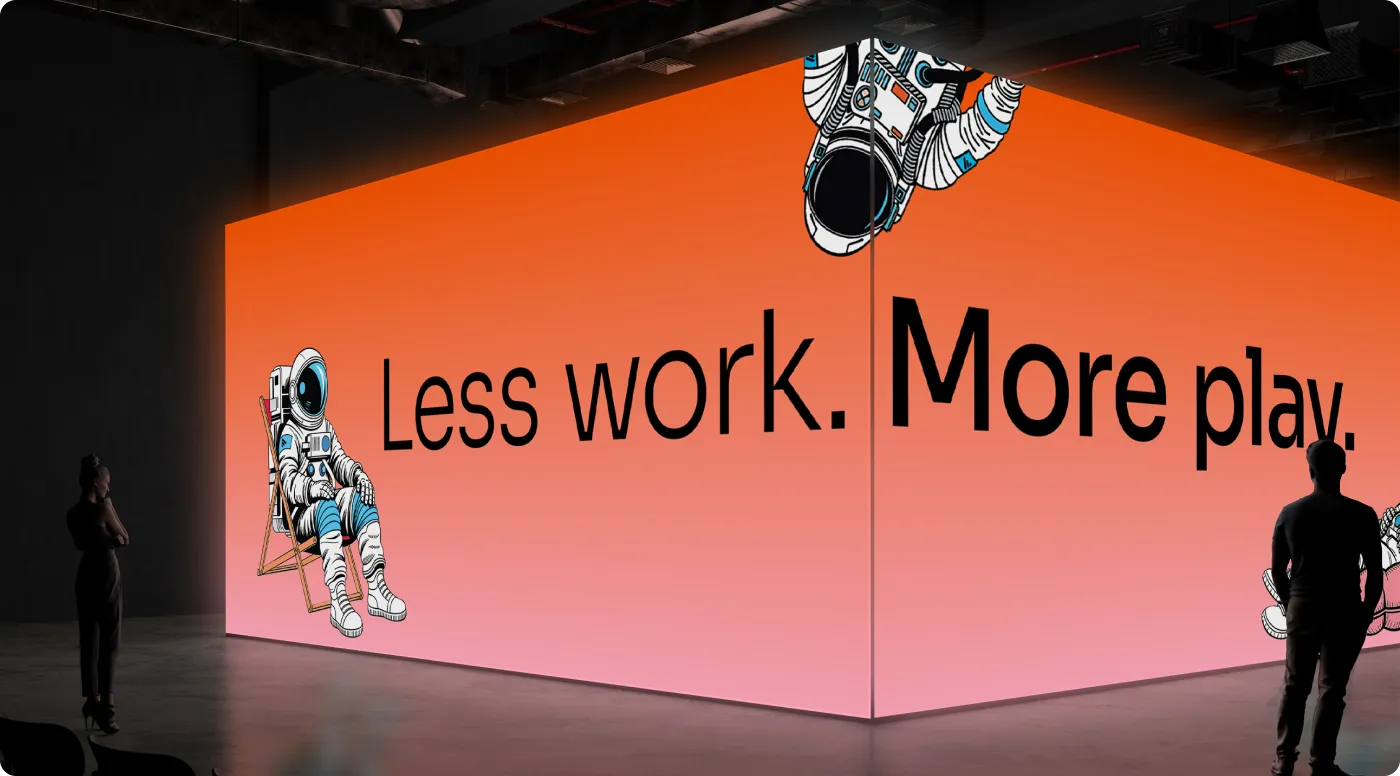
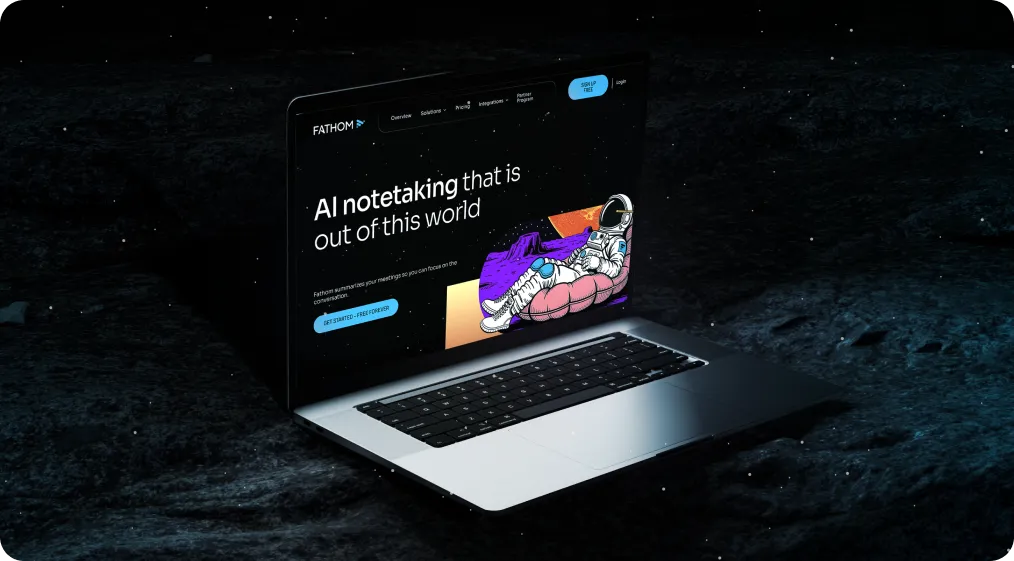
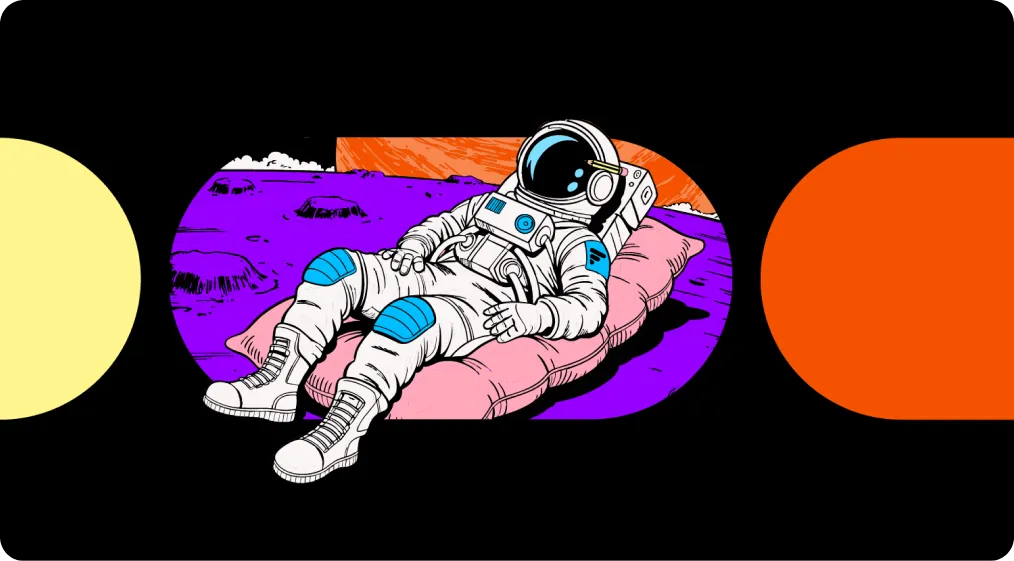
Fathom was the top-rated product in its category and still risked disappearing into a commoditized “AI note-taker” space, so we reframed it from a tool into “the power behind your best work” and led with the thing users actually felt.
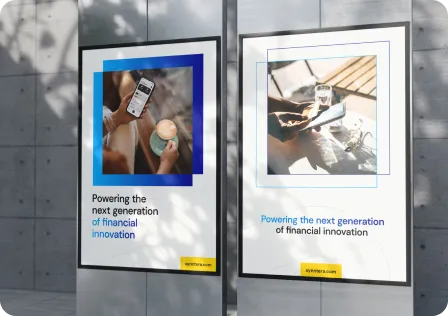
Synctera had to win trust in a market still shaken by high-profile failures, so we repositioned it from startup to enterprise-grade and made compliance the story they lead with.
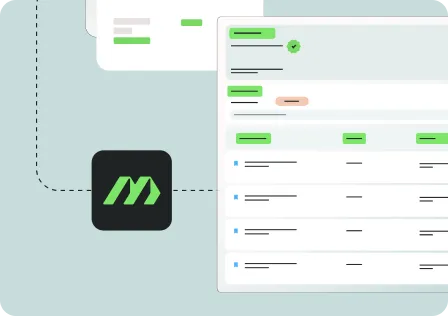
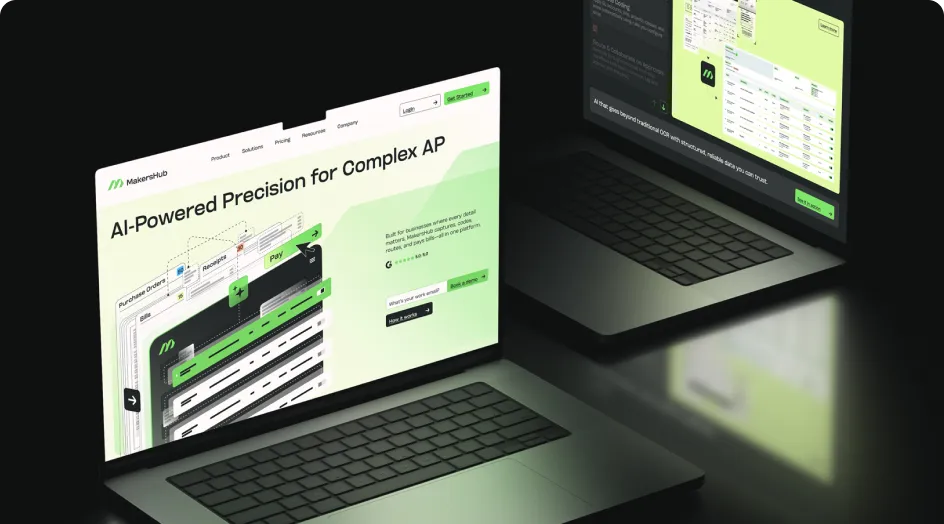
MakersHub had a product customers loved, but a brand that read “too startup” in a category buyers are afraid to switch.
The pattern is consistent. Buyers can’t distinguish one brand from another. Every feature and product blends into one and no one owns a category when they all look like each other. It’s our view that a SaaS brand should sell a position. Own a category instead of competing in a crowded one. Make room for personality, because B2B buyers are people. Build the credibility and trust buyers are looking for and the value they see in the product will follow.


Principles for Branding Saas

Features can get copied but a clear position can’t

Falling in with category defaults makes you invisible

Personality has a place in B2B

Trust converts before features do

One brand, many buyers
Our Saas Portfolio
Fathom


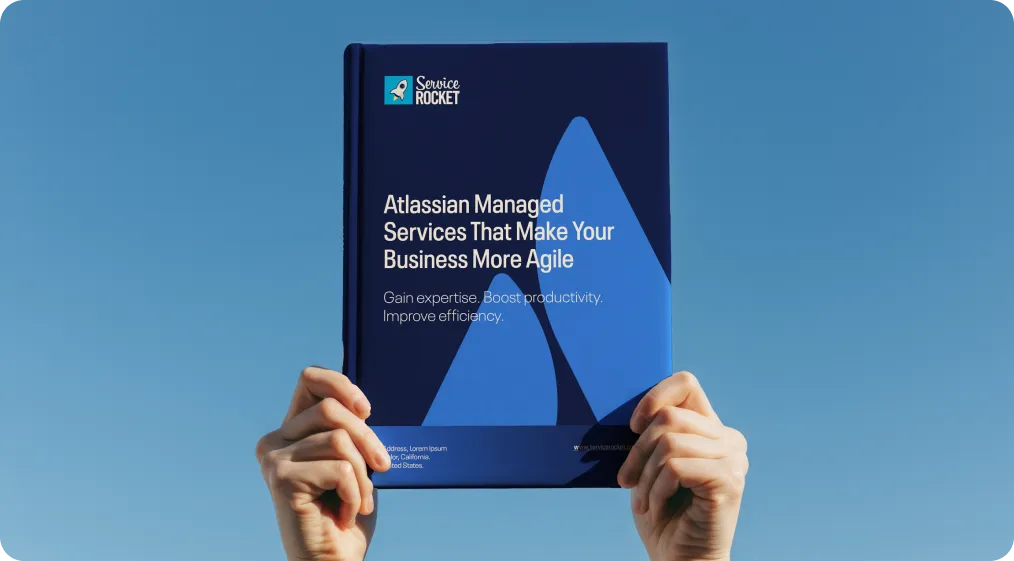

Service Rocket
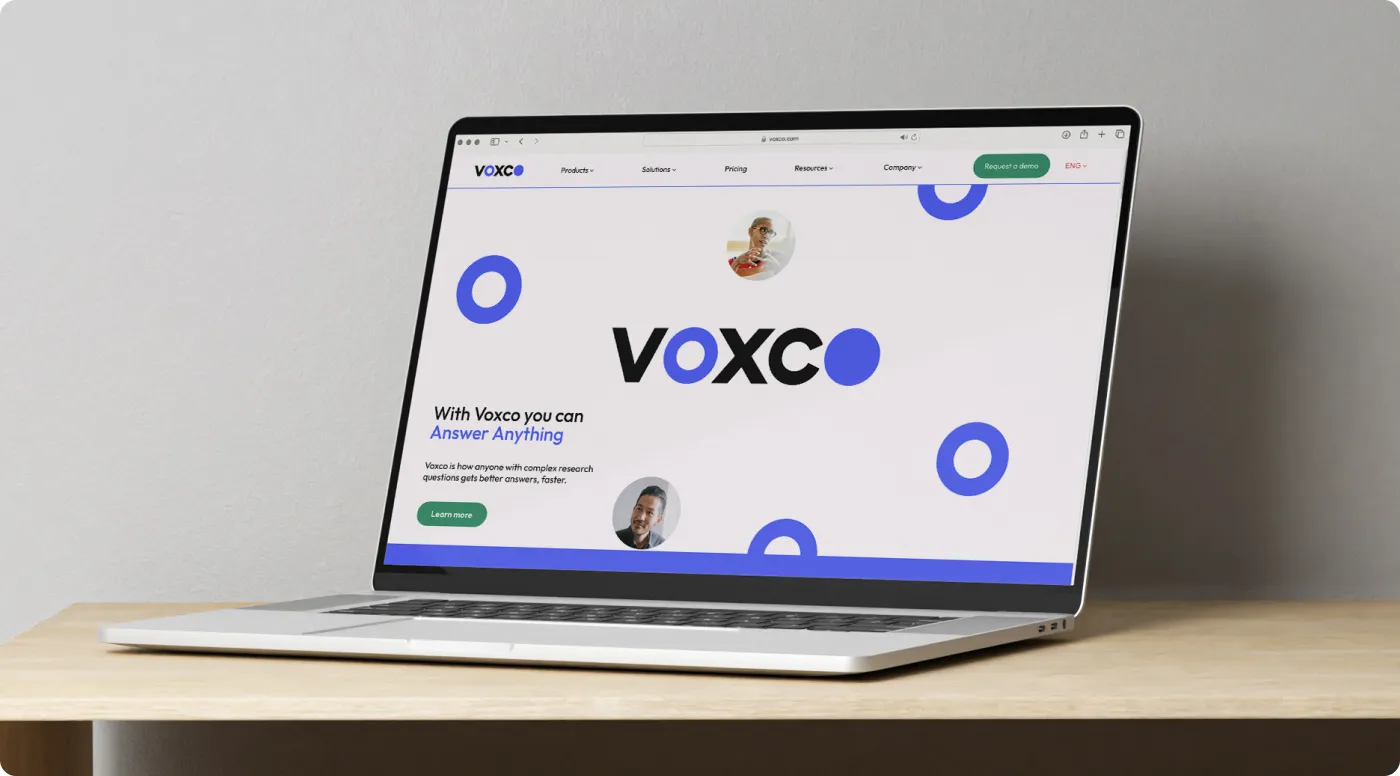
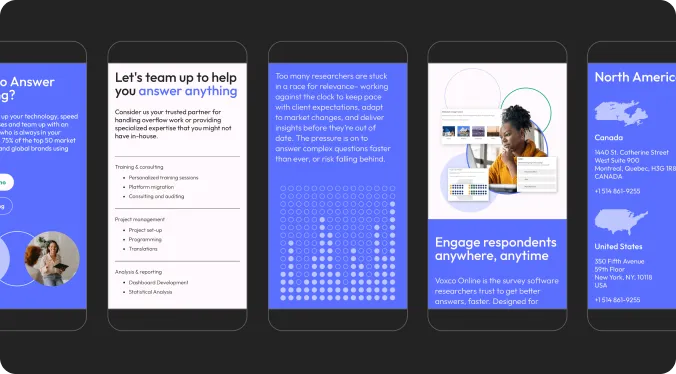
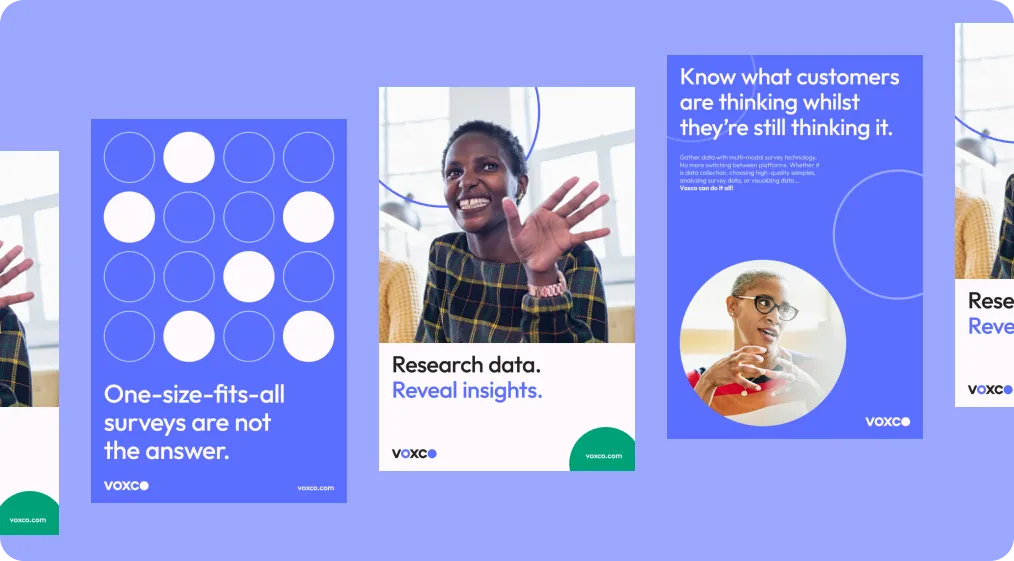
Voxco

FAQs
Compete on position, not features. Technical advantages get matched within a quarter, so the durable differentiator is the space you own in a buyer’s mind: a clear category, a distinct personality, and a promise no rival can credibly make.
Yes, and it's underused. B2B buyers are people making high-stakes decisions, and the brands that acknowledge how the product makes them feel stand out in categories full of dry, functional attributes. Fathom is proof that leaning into user love can define a category.
Build distinct journeys under one unifying promise. For a two-sided platform, each side needs messaging tuned to its priorities (speed for one, oversight for the other) while the brand holds a single, consistent story about what the company stands for.
More often than teams expect. If the product and equity are strong but the market misunderstands you, the fix is usually realignment without reinvention. Sharpen the position, evolve the identity, and keep the recognition you've earned.
Lead with credibility, not capability. When switching costs are high or the category’s been burned, buyers need proof of resilience and compliance before they’ll evaluate features, so the brand has to signal the weight and reliability of an established institution.