

Our Perspective
Permission to be trusted
In 2024, thousands of people opened their banking apps and couldn’t reach their own money. A banking-as-a-service provider a couple of layers behind those apps had collapsed, and the funds sat frozen in the wreckage for months. Any consumer, business or platform who experienced it would not see, or trust, fintech the same way again.
Moments like that affect rooms that fintech founders still pitch in. Your product might be faster, cheaper, or shinier than competitors’, but none of that convinces users or investors you’ll still be standing, solvent, on the day they rely on you to hold their finances, move their payments, or back a decision that shapes their future. You have to make them believe first. And the thing you usually need to build belief, which is years of unglamorous reliability, is what younger companies haven’t had the chance to build yet.
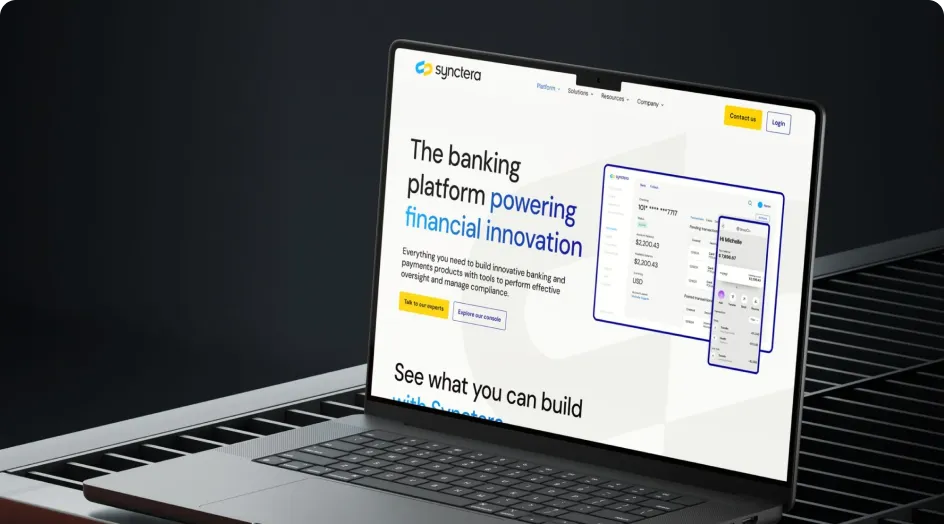
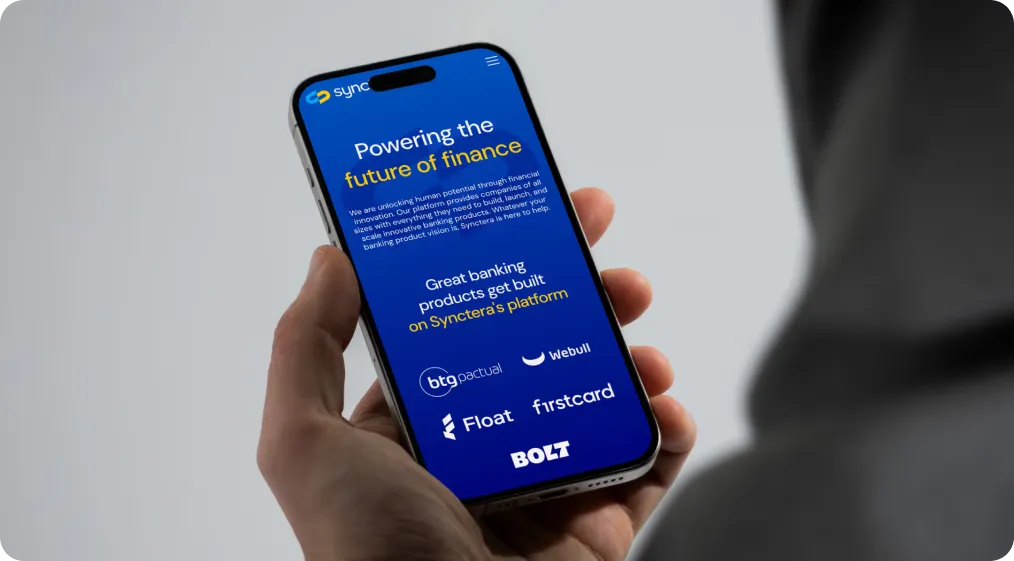
In most cases, your brand carries the burden of proof. Synctera came to us as trust drained out of its category after rivals had internalized compliance decisions and left partner banks flying blind. The easier move would have been to lead with speed and tuck compliance into the footnotes. We did the opposite. We built their site around Synctera's six principles for getting banking-as-a-service right and split it into two journeys: oversight and control for the banks, and speed-to-market for the fintechs. The safeguards Synctera had built became the first thing a nervous customer saw.
Getting brand right in fintech allows you to earn what no single feature can: permission to be trusted.

Principles for Branding FinTech

Build trust first, then show your product

A “startup look” can bury a serious product

One brand with two audiences to win over

Your name changes who takes you seriously
Our Fintech Portfolio
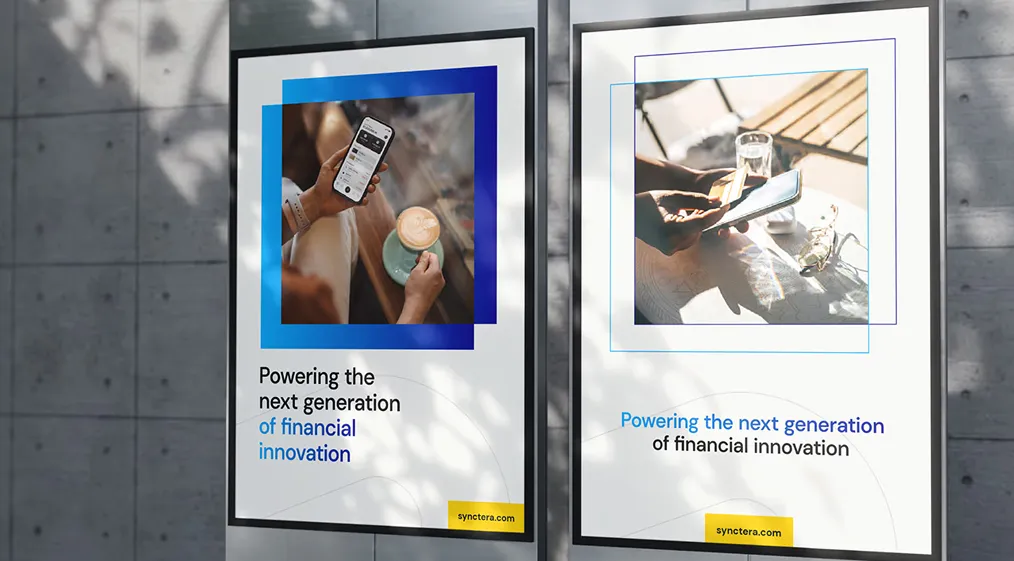
Synctera


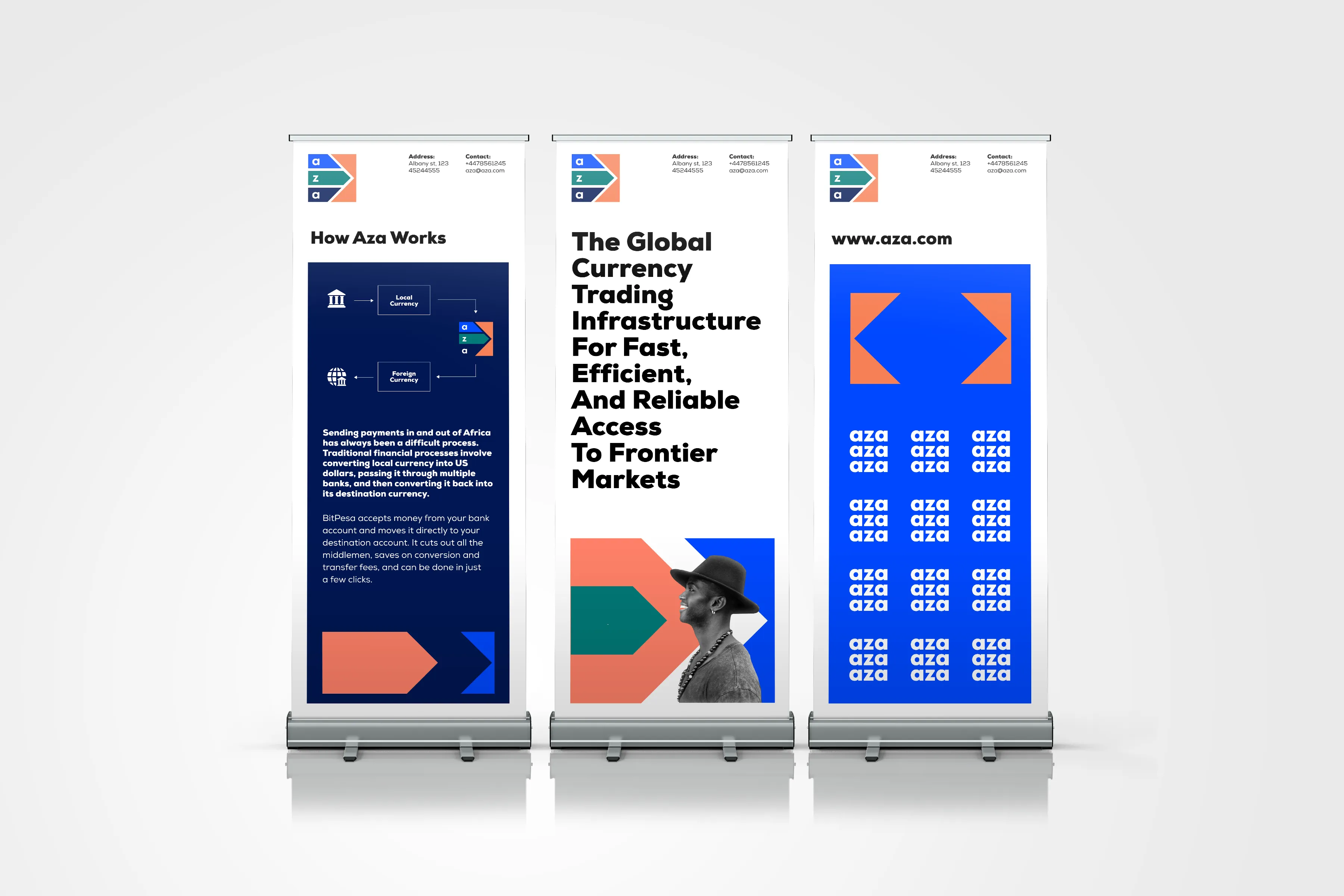
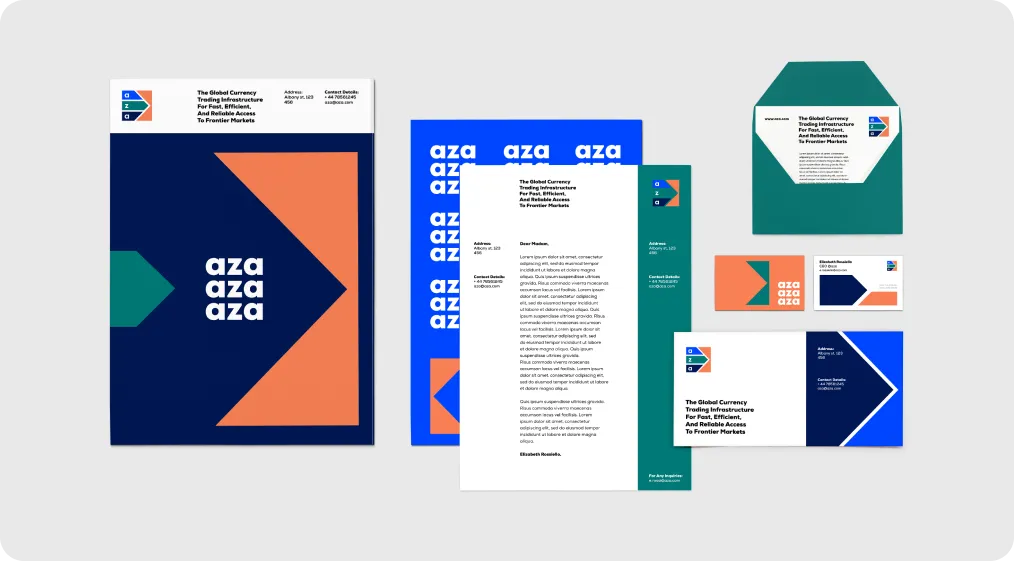

AZA Finance

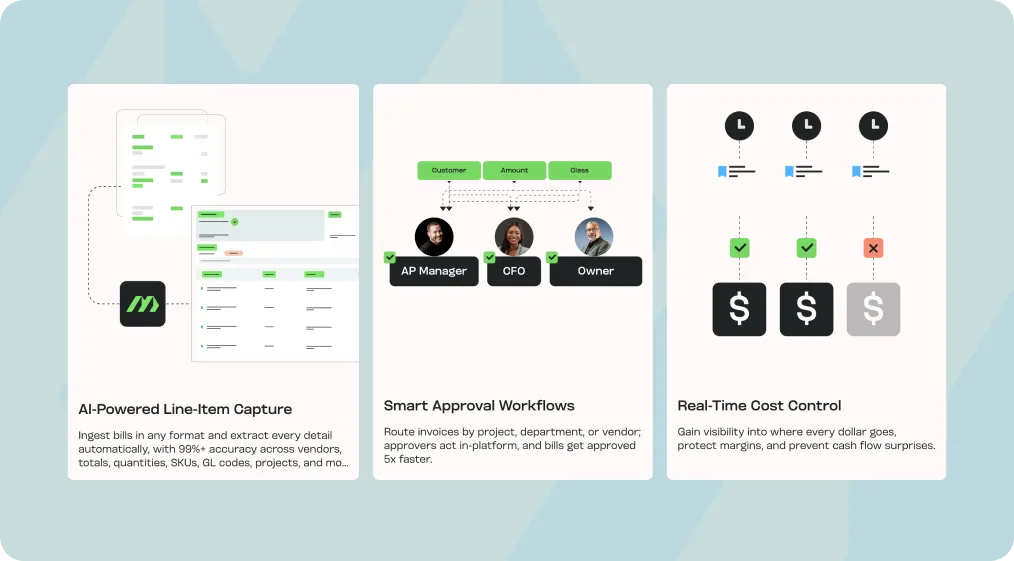
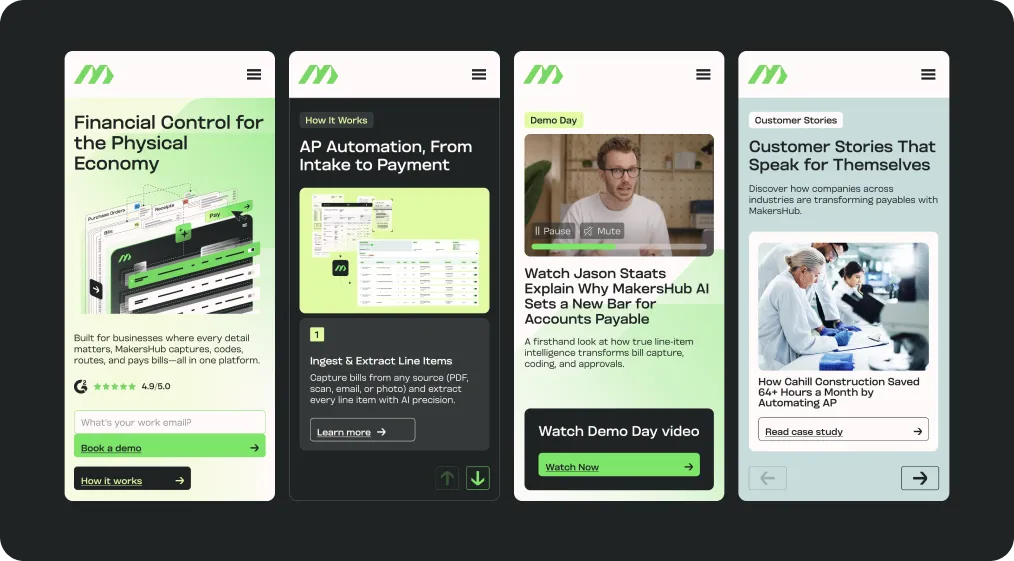
MakersHub


FAQs
Lead with the safeguards you’ve built and develop a brand that makes those safeguards visible. All the most important information should be where a cautious buyer can easily see them: oversight, compliance, transparent relationships, credible design. You can’t count on the product speaking for itself.
Only if there’s nothing behind it. In a regulated category the brand’s job is to make safeguards visible and legible, so wary buyers have visible reasons to trust what you’ve built. If you've built real compliance and controls, branding that puts them front and center persuades a buyer of what’s already true. If you haven’t, buyers can see it from a mile away.
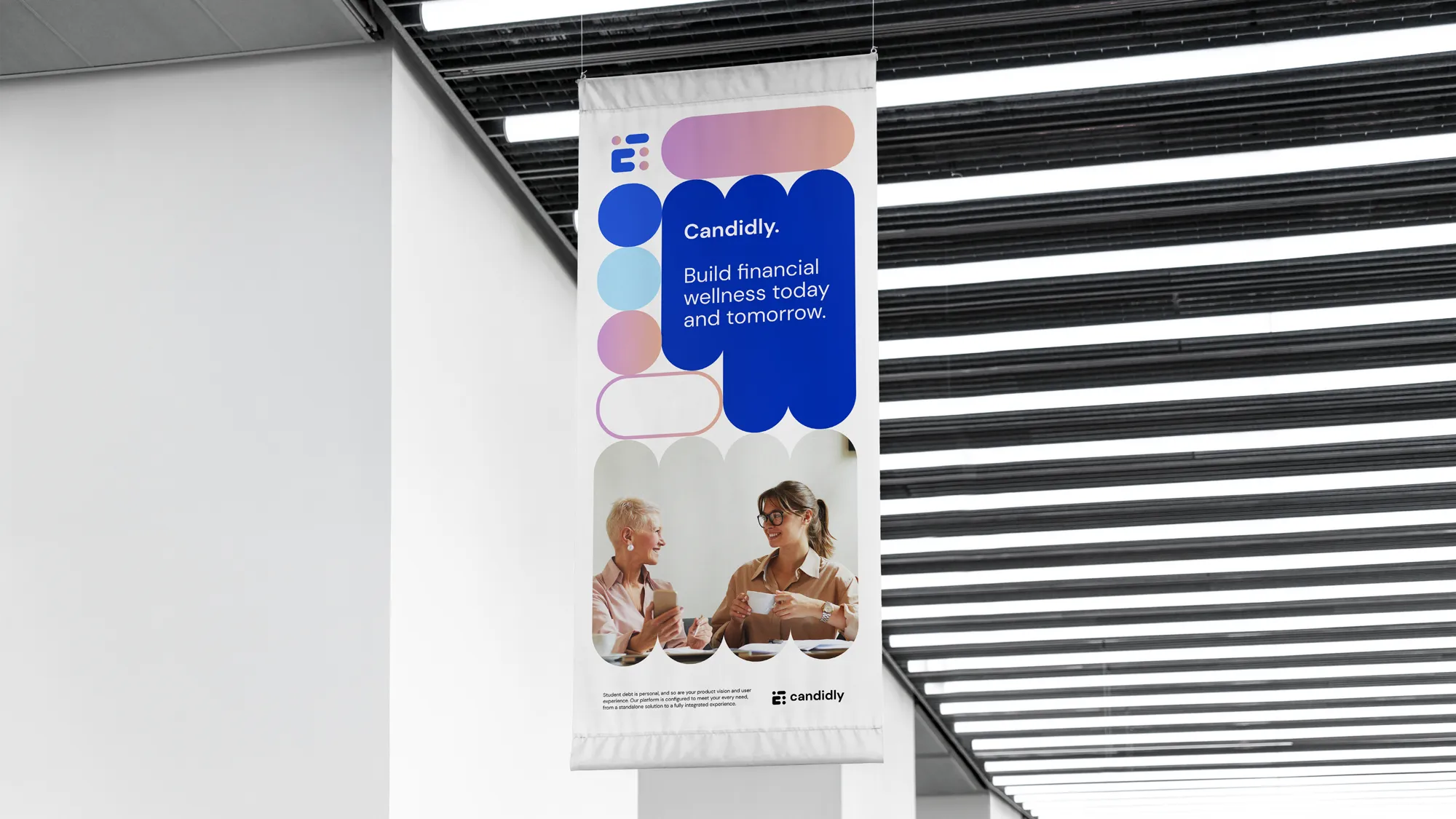
Yes, one brand can, as long as each audience gets its own route through it. An institution and an individual come with different questions and want different proof, so you build separate paths that still read as the same company. Candidly did this: the employers buying it saw a credible benefit, the people using it saw a way to face their student debt without shame.
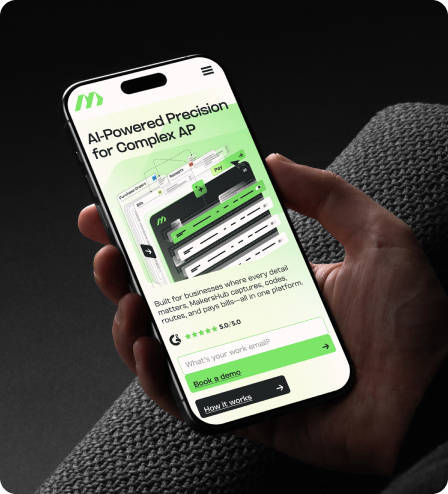
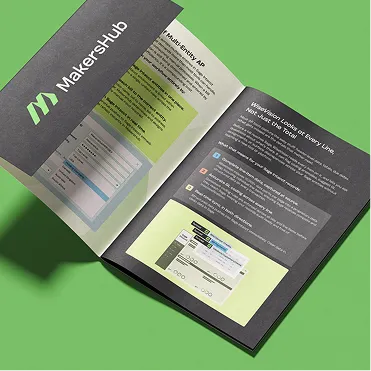
By maturing the brand to catch up to the product. Usually that comes down to weight and restraint in the typography, palette, and detailing that a serious financial audience reads as competence. With MakersHub, that shift moved the perception from promising newcomer to a platform finance leaders would trust with their payables.
Distinctiveness is itself a trust signal if it’s done right. A buyer remembers and trusts the company that gives them a clear, true reason to choose it, and stays wary of the ones it can’t tell apart. That reason has to come from something real, not a coat of paint. For AZA, it was the renaming and repositioning: moving from a crypto-named startup to an institutional-grade currency provider for African markets is what won the confidence of global investors.